


Crop Insights
Licorice: From Cultivation to Commercial Applications
What Is Licorice?
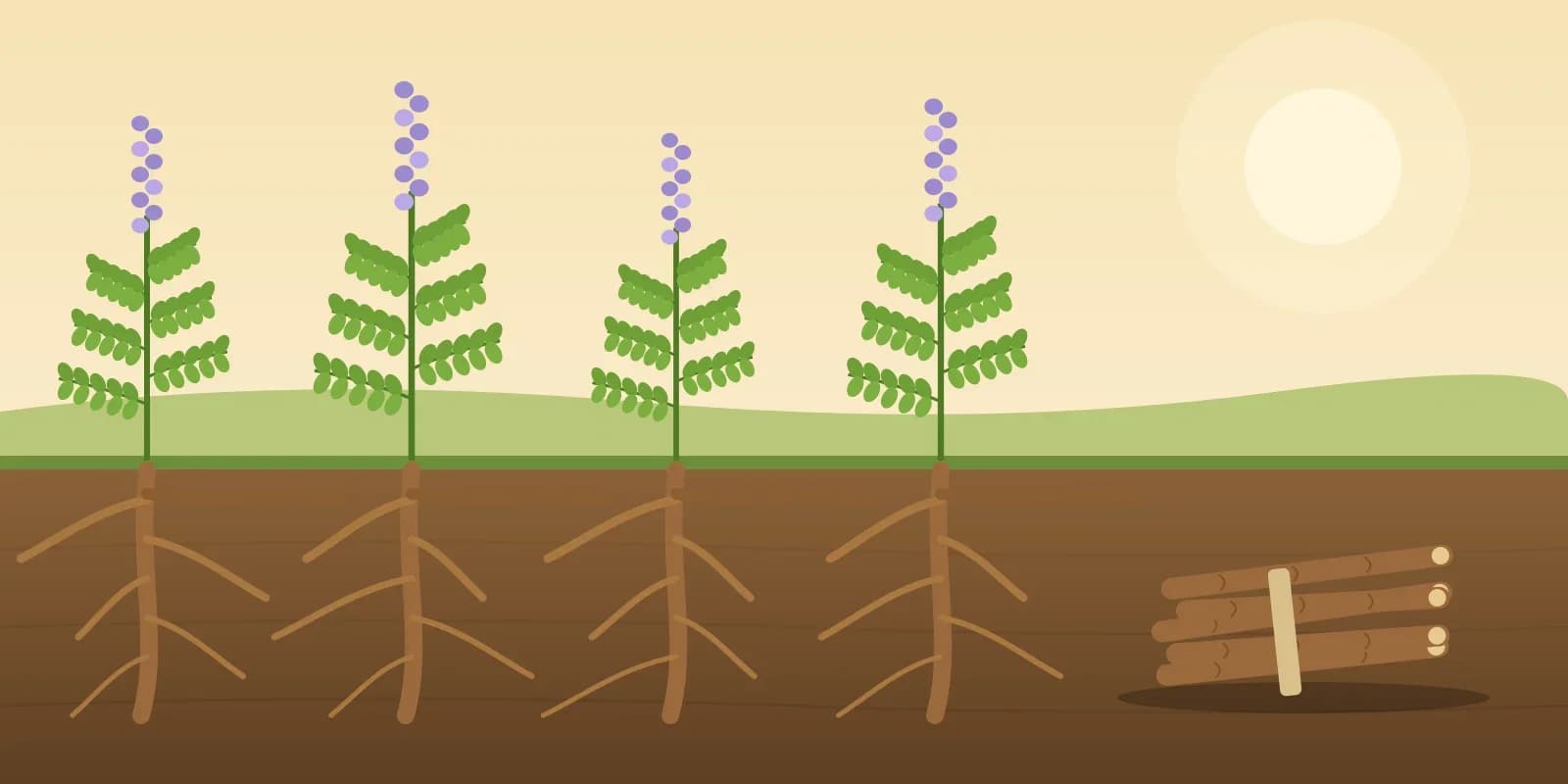
Licorice (Glycyrrhiza glabra), also known as Jethi Madh, is a perennial herb from the legume family. Its roots and underground stems contain glycyrrhizin, a natural compound responsible for its characteristic sweetness.
How Is Licorice Grown?
Licorice grows best in deep, well-drained soil under suitable temperate and warm conditions. It can be propagated through seeds or rhizome pieces and is generally harvested after 3–5 years.
Which Plant Parts Are Used?
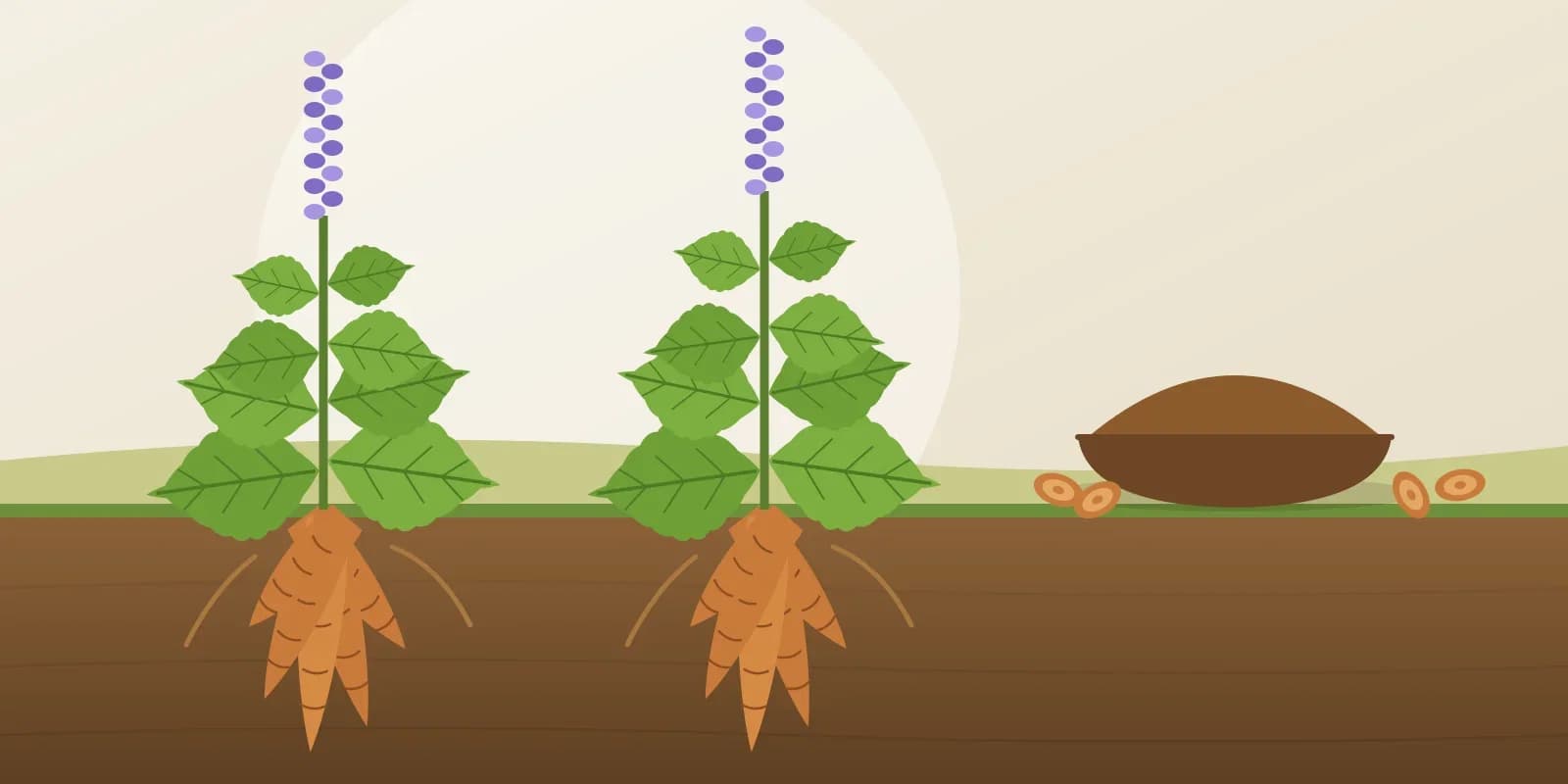
- Roots: Main raw material for licorice powder and extracts.
- Rhizomes: Underground stems containing valuable botanical compounds.
- Leaves, flowers and seeds: Mainly support plant growth and reproduction and have more limited commercial use.
Uses and Applications
- Food and beverages: Used as a flavouring and sweetening ingredient.
- Pharmaceuticals: Included in selected cough formulations and throat lozenges.
- Cosmetics: Licorice extracts are used in skincare formulations.
- Nutraceuticals: Incorporated into selected botanical formulations.
From Root to Value-Added Ingredients
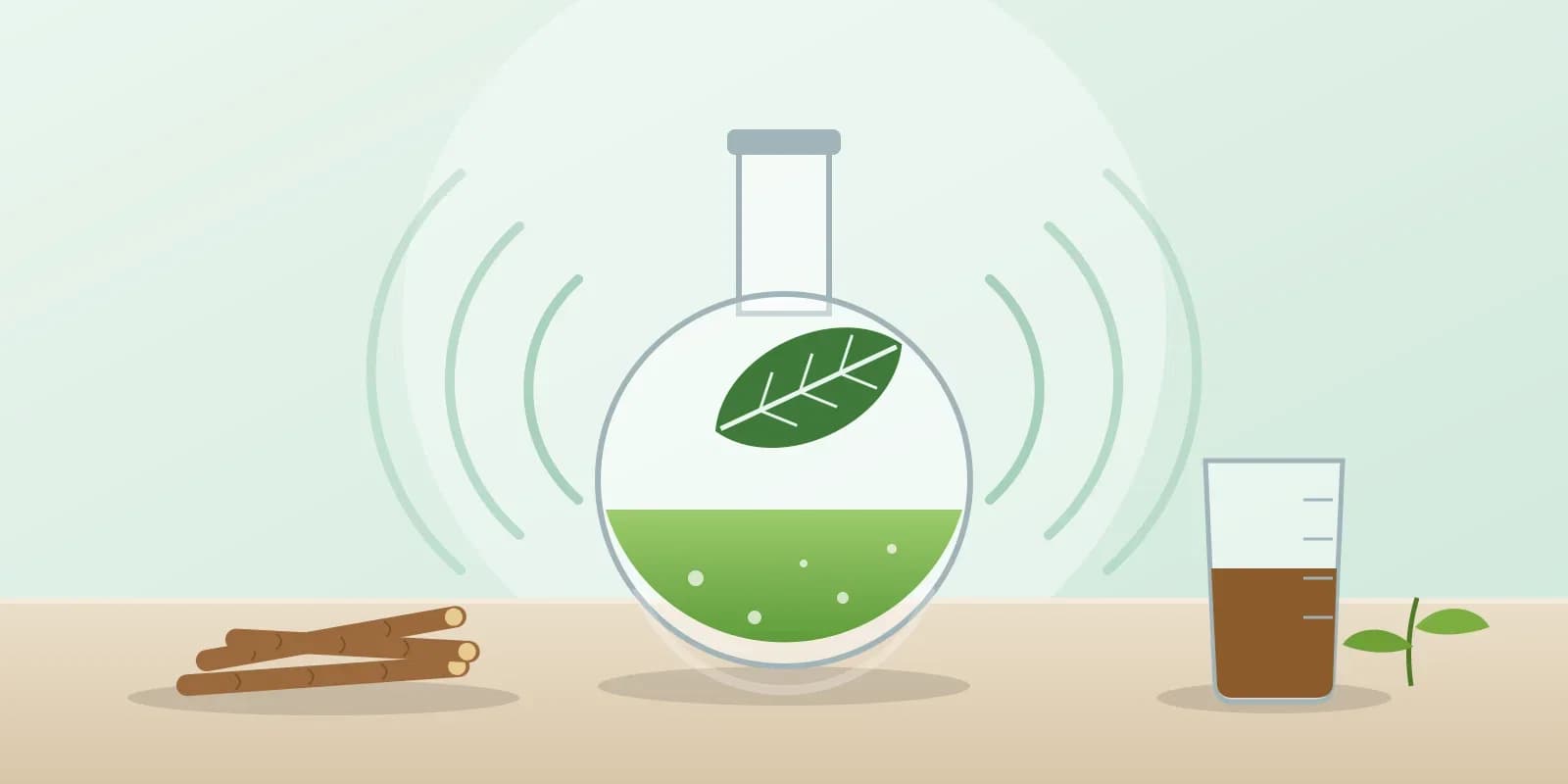
After harvesting, licorice roots and rhizomes are cleaned, dried and processed into root powder or extracts. Quality specifications may include glycyrrhizin content, purity and moisture levels.
Licorice is a versatile botanical connecting traditional plant use with modern ingredient manufacturing.
Looking for Licorice for Your Business?
Contact AgroHaat for your licorice root, powder, and botanical extract requirements. Get in touch with us for product specifications and bulk sourcing enquiries.
Get in Touch