


Product Guide
Chlorogenic Acids in Green Coffee: Why Do They Matter?
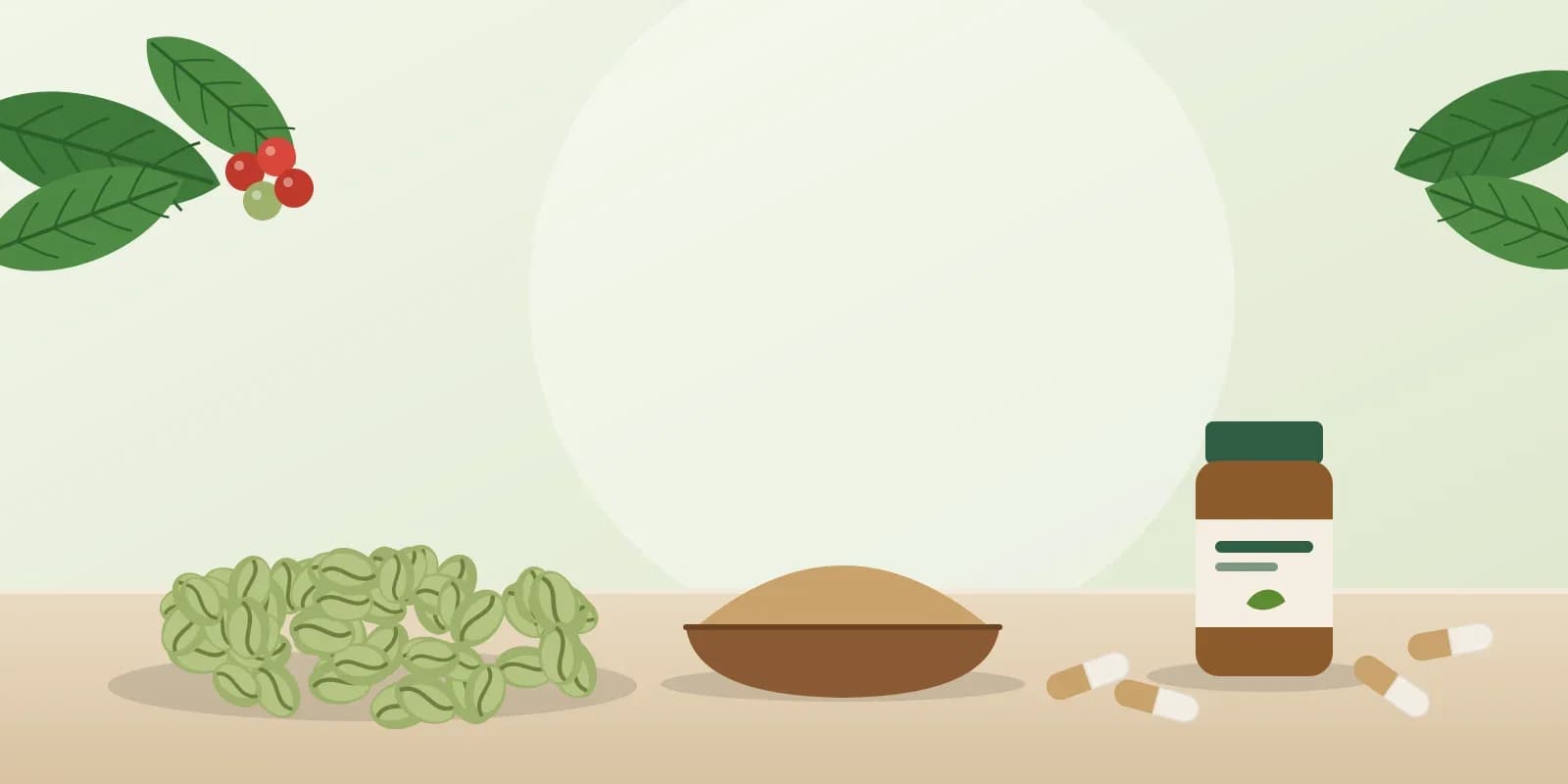
Green coffee extract is a widely used botanical ingredient in nutraceuticals and functional formulations. One of its key constituents is chlorogenic acids, a group of naturally occurring polyphenolic compounds found in unroasted coffee beans.
These compounds are studied for their antioxidant properties and potential biological effects. For manufacturers, chlorogenic acid content is also an important parameter for evaluating extract composition and defining product specifications.
What Are Chlorogenic Acids?
Chlorogenic acids are polyphenols found in coffee and various plant foods. One of the major compounds in coffee is 5-caffeoylquinic acid (5-CQA). Other related compounds contribute to the overall chlorogenic acid profile. Their concentration can vary depending on coffee species, growing conditions, processing, and extraction methods.
Why Are Chlorogenic Acids Important?
Chlorogenic acids help describe the chemical composition of green coffee extract. Their levels can be influenced by raw-material quality, processing conditions, and extraction techniques. They are studied for potential applications in nutraceuticals, functional foods, beverages, and botanical ingredient development. However, research findings do not automatically establish specific health benefits for every commercial extract.
5-CQA vs. Caffeine in Green Coffee
- 5-Caffeoylquinic acid (5-CQA) is a major chlorogenic acid in green coffee, studied for its antioxidant properties and potential role in glucose metabolism.
- Caffeine is a natural alkaloid known for increasing alertness and reducing tiredness.
Why does the difference matter?
Chlorogenic acid standardisation measures polyphenol content, while caffeine testing measures caffeine concentration. A 50% chlorogenic acid extract does not necessarily contain 50% 5-CQA or indicate its caffeine level. Buyers should verify both parameters when selecting green coffee extracts.
How Is Chlorogenic Acid Content Measured?
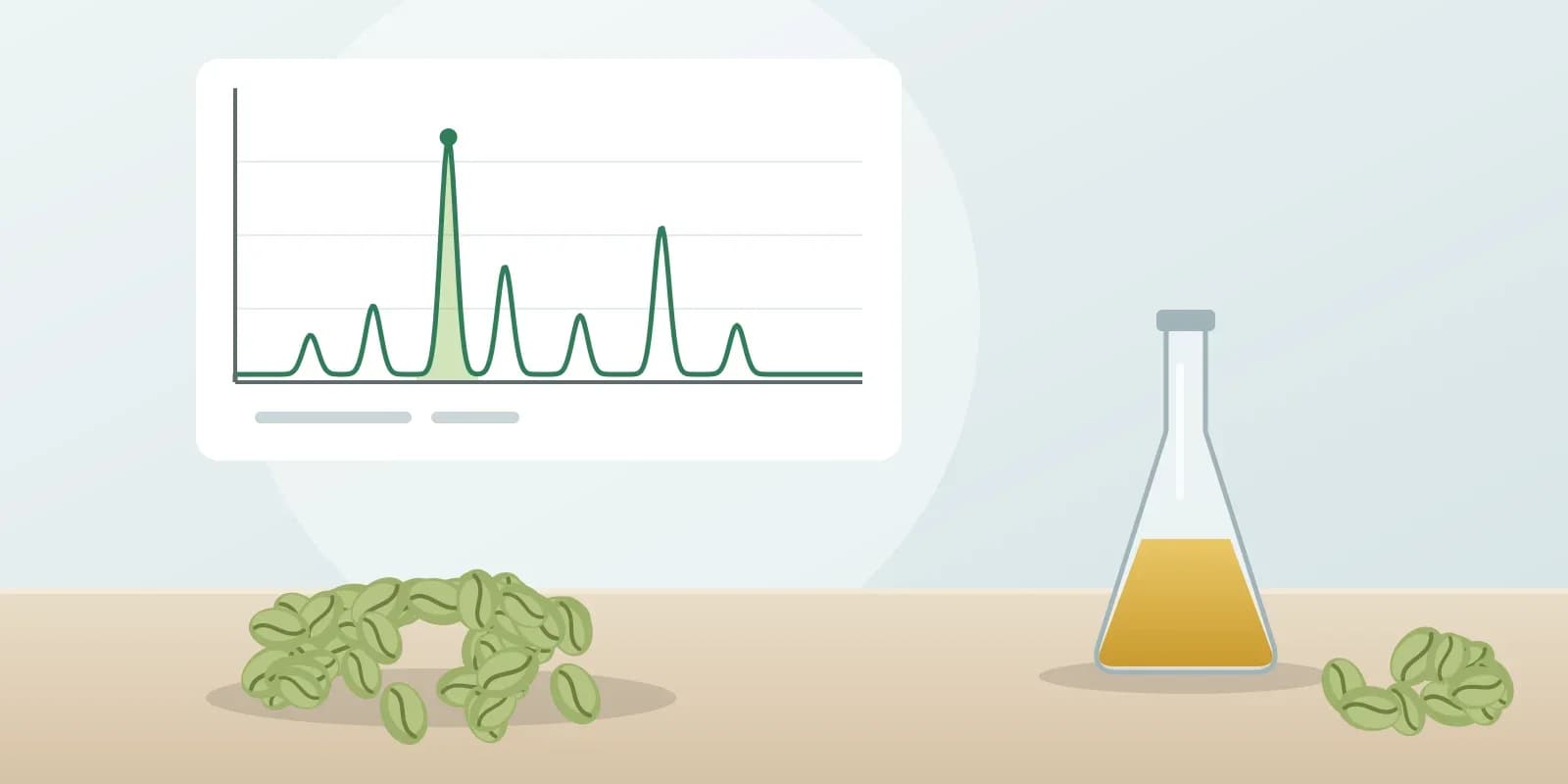
High-Performance Liquid Chromatography (HPLC) is commonly used to measure chlorogenic acids in green coffee extracts. Depending on the method, testing may quantify individual compounds or calculate total chlorogenic acid content. Buyers should check the assay method, declared concentration, and batch-specific Certificate of Analysis (COA) before procurement.
What Should Buyers Check?
When sourcing green coffee extract, manufacturers should verify:
- Botanical identity: Confirm the coffee species and plant material.
- Chlorogenic acid content: Check the required standardisation level.
- Caffeine content: Verify suitability for the intended formulation.
- Quality documentation: Review the COA and relevant contaminant testing.
Green Coffee Extract from AgroHaat
AgroHaat lists green coffee extract from unroasted Coffea robusta beans, with standardisation options of 45%, at least 50%, and 60% total chlorogenic acids by HPLC. Buyers should confirm the required grade, product specifications, and batch documentation before ordering.
Understanding chlorogenic acid content helps manufacturers select botanical ingredients that meet their formulation requirements.
Looking for Green Coffee Extract?
Contact AgroHaat for green coffee extract specifications and bulk sourcing enquiries.
Get in Touch