


Product Guide
Green Coffee Extract: Standardisation, Applications and the Link with GLP-1
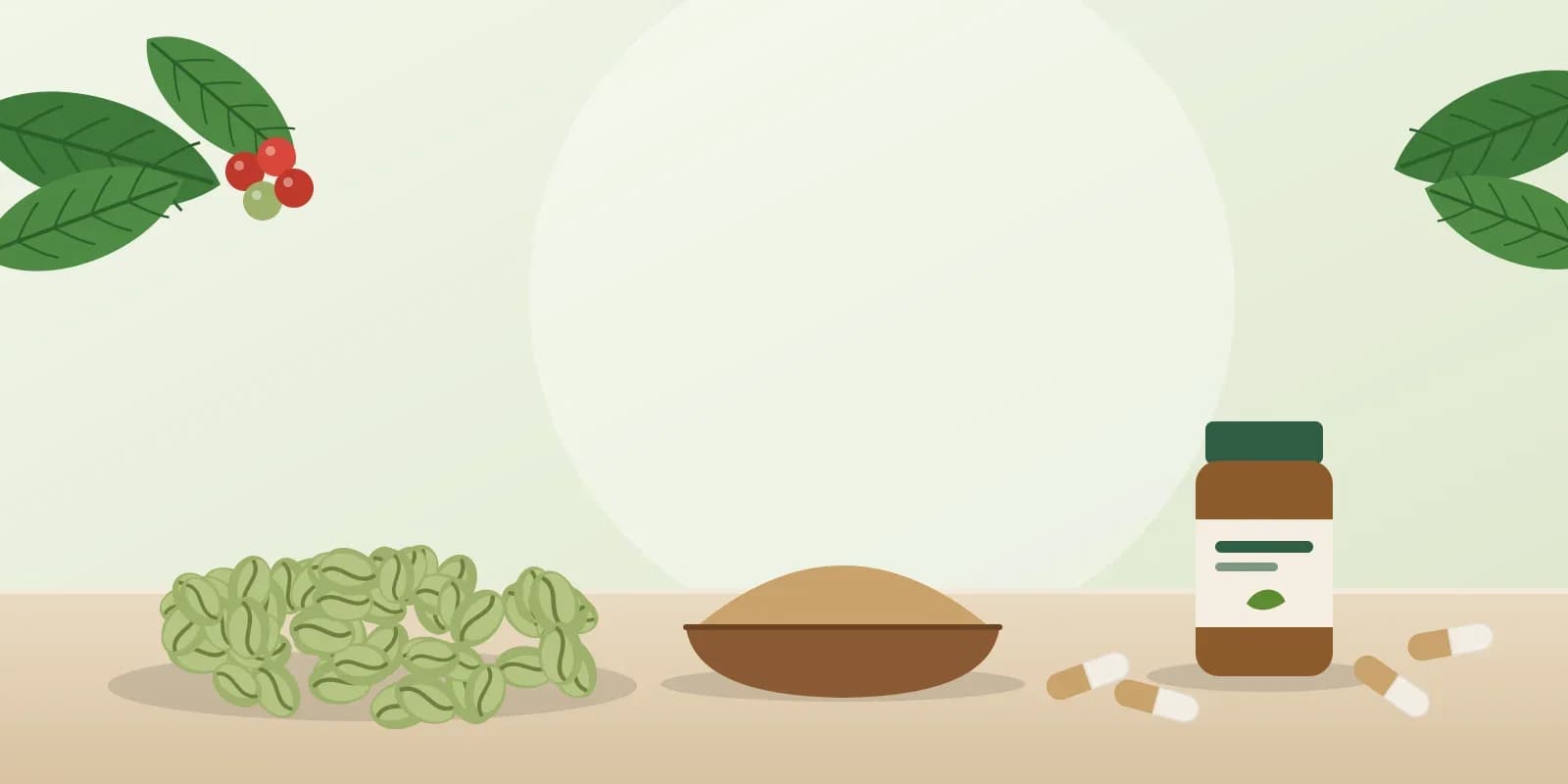
Green coffee extract is gaining attention in the botanical and nutraceutical industries due to its chlorogenic acid content and potential applications in metabolic health. Standardisation and quality testing help manufacturers ensure consistent ingredient quality.
What Is Green Coffee Extract?
Green coffee extract is obtained from unroasted coffee beans (Coffea species). It contains chlorogenic acids (CGAs), naturally occurring polyphenols studied for their antioxidant properties and potential role in glucose metabolism. It also contains caffeine, depending on the grade and extraction process.
What Is Standardisation?
Standardisation ensures that an extract contains a specified level of active compounds. Green coffee extracts are available in different chlorogenic acid grades, such as 25%, 45%, and 50%, depending on the supplier.
For example, a 50% chlorogenic acid extract is standardised to contain 50% chlorogenic acids on the stated analytical basis. This helps manufacturers maintain batch consistency and formulate products accurately.
Why Does HPLC Testing Matter?
High-Performance Liquid Chromatography (HPLC) is commonly used to measure chlorogenic acid and caffeine content. Buyers should verify:
- Chlorogenic acid content: Confirm the declared standardisation.
- Caffeine content: Check whether the grade meets formulation requirements.
- Purity and contaminants: Review relevant safety and quality parameters.
- Certificate of Analysis (COA): Verify batch-specific results and testing methods.
Analytical testing helps confirm that the ingredient meets its declared specifications.
Uses of Green Coffee Extract
Green coffee extract is used in:
- Metabolic health research: Investigations into glucose regulation and insulin sensitivity.
- Nutraceuticals: Weight-management and metabolic wellness formulations.
- Functional foods and beverages: Applications requiring specified chlorogenic acid and caffeine levels.
- Antioxidant formulations: Products incorporating polyphenol-rich botanical ingredients.
Green Coffee Extract and GLP-1
GLP-1 (glucagon-like peptide-1) is a gut hormone involved in glucose regulation, insulin secretion, and appetite control.
Chlorogenic acids in green coffee are being studied for their potential effects on glucose metabolism and related pathways. However, evidence that green coffee extract directly and reliably increases GLP-1 in humans remains limited. It should not be considered equivalent to prescription GLP-1 medications.
What Should Buyers Check?
Before sourcing green coffee extract, buyers should evaluate:
- Required chlorogenic acid standardisation.
- Caffeine specifications.
- HPLC test results and batch-specific COA.
- Contaminant limits and application suitability.
- Consistency between batches.
Sourcing Green Coffee Extract from AgroHaat
AgroHaat offers green coffee extract options with specified chlorogenic acid content and low-caffeine positioning for business sourcing requirements. Buyers can discuss their desired grade, specifications, and quality documentation.
Looking for Green Coffee Extract?
Contact AgroHaat to discuss product specifications and bulk sourcing requirements.
Get in Touch