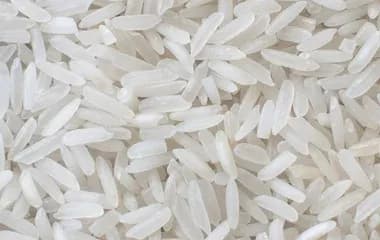



Crop Insights
Indian Rice Crop: Growing Regions, Harvest Season & Export Outlook
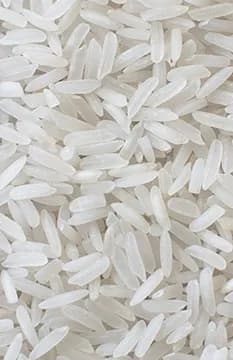
India is among the world’s largest producers and exporters of rice, supplying basmati, non-basmati, and parboiled grades to food manufacturers, wholesalers, and retail packers across Asia, the Middle East, Africa, and Europe. For buyers planning purchases, understanding where and when rice is grown — and what moves quality and price — makes sourcing far more predictable.
Where India’s Rice Is Grown
Rice cultivation in India spans multiple agro-climatic zones, with distinct belts associated with basmati and non-basmati production:
- Punjab, Haryana, and western Uttar Pradesh — the core basmati belt, known for long-grain aromatic varieties favoured in Middle East and European markets.
- West Bengal, Odisha, Andhra Pradesh, and Telangana — major non-basmati and parboiled rice producing states supplying volume grades for food service and retail.
- Chhattisgarh, Bihar, and Madhya Pradesh — additional growing regions contributing both domestic and exportable surplus.
- Tamil Nadu and Karnataka — significant contributors of short- and medium-grain and parboiled rice for regional and export demand.
Harvest Season and Availability
Rice in India is grown in both kharif and rabi seasons. The main kharif crop is sown with the monsoon and harvested from September through December in most belts, while irrigated rabi / summer rice extends availability into the first half of the calendar year. Fresh crop arrivals build through the post-harvest window, with milled and sorted material available for export shortly after. Buyers working to a fixed procurement calendar generally align contracts with this harvest cycle to secure current-season quality.
What Drives Quality and Price Each Season
- Monsoon timing and rainfall distribution — delayed or uneven rains affect transplanting, yield, and grain filling, which in turn influence broken percentage and milling recovery.
- Variety mix and aromatic demand — strong Middle East demand for basmati can tighten premium aromatic grades independently of overall rice output.
- Milling and moisture control — export buyers typically specify maximum moisture, broken %, and chalkiness; poor drying raises rejection risk.
- Government policy and domestic offtake — minimum support prices, export notifications, and strong domestic consumption can tighten exportable surplus in a given year.
Sourcing Considerations for Export Buyers
Because basmati, non-basmati, and parboiled rice serve different end uses — retail packing, food service, and industrial processing — the right sourcing decision usually starts with matching grain length, aroma, and milling specs to the destination market. AgroHaat works across key growing belts and supplies export-ready rice with consistent grading and hygienic packaging.
For a closer look at how basmati, non-basmati, and parboiled grades compare, see our companion guide to Indian rice varieties for export.
Looking to Source Rice for the Current Season?
Share your specification — basmati or non-basmati, broken %, moisture, and packing — and our team will get back with availability and pricing.
Get in Touch