


Product Guide
Guide to Green Gram Grades for Export: Whole Moong vs Moong Dal
Indian green gram is traded mainly by format and cleaning grade rather than by region-specific variety names. Two formats come up most often in export enquiries: whole green gram and moong dal (split). Here is what each one means in practice.
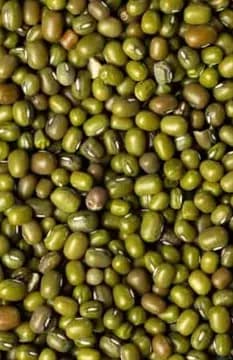
Whole Green Gram
- Form: Intact, cleaned green seeds with husk
- Typical uses: Sprouting, whole-bean cooking, retail packs, and further processing
- Best suited for: Buyers who need visual uniformity, controlled moisture, and low foreign matter for whole-seed applications
Whole moong is the starting point for sprouting and many retail packs. Boldness, colour uniformity, and weevilled-seed limits are usually the first specs buyers lock.
Moong Dal (Split Green Gram)
- Form: Husked and split cotyledons
- Typical uses: Dal preparations, soups, snacks, and food processing
- Best suited for: Food manufacturers and wholesale buyers who need ready-to-cook split pulse with consistent colour and low broken fines
Moong dal saves downstream processing time for many buyers. Uniform split size, residual husk limits, and moisture control drive acceptance in stricter destination markets.
Choosing Between the Two
If your end use is sprouting or whole-bean retail, start with whole green gram. If the application is dal, soup bases, or snack processing, moong dal is usually the better fit. AgroHaat supplies both in conventional, IPM, and organic options — tell us your destination market and we can confirm the right cleaning grade.
Not Sure Which Green Gram Format Fits?
Tell us your intended use and destination market and our team will recommend whole moong or moong dal with the right cleaning grade.
Get in Touch