


Quality & Compliance
What Does Natural 99% Pure Caffeine Actually Mean? Understanding Assay, Purity and Quality
When sourcing caffeine for food, beverages, and nutraceuticals, purity is an important consideration. Understanding assay, quality specifications, and natural origin helps buyers make informed procurement decisions.
What Is Caffeine?
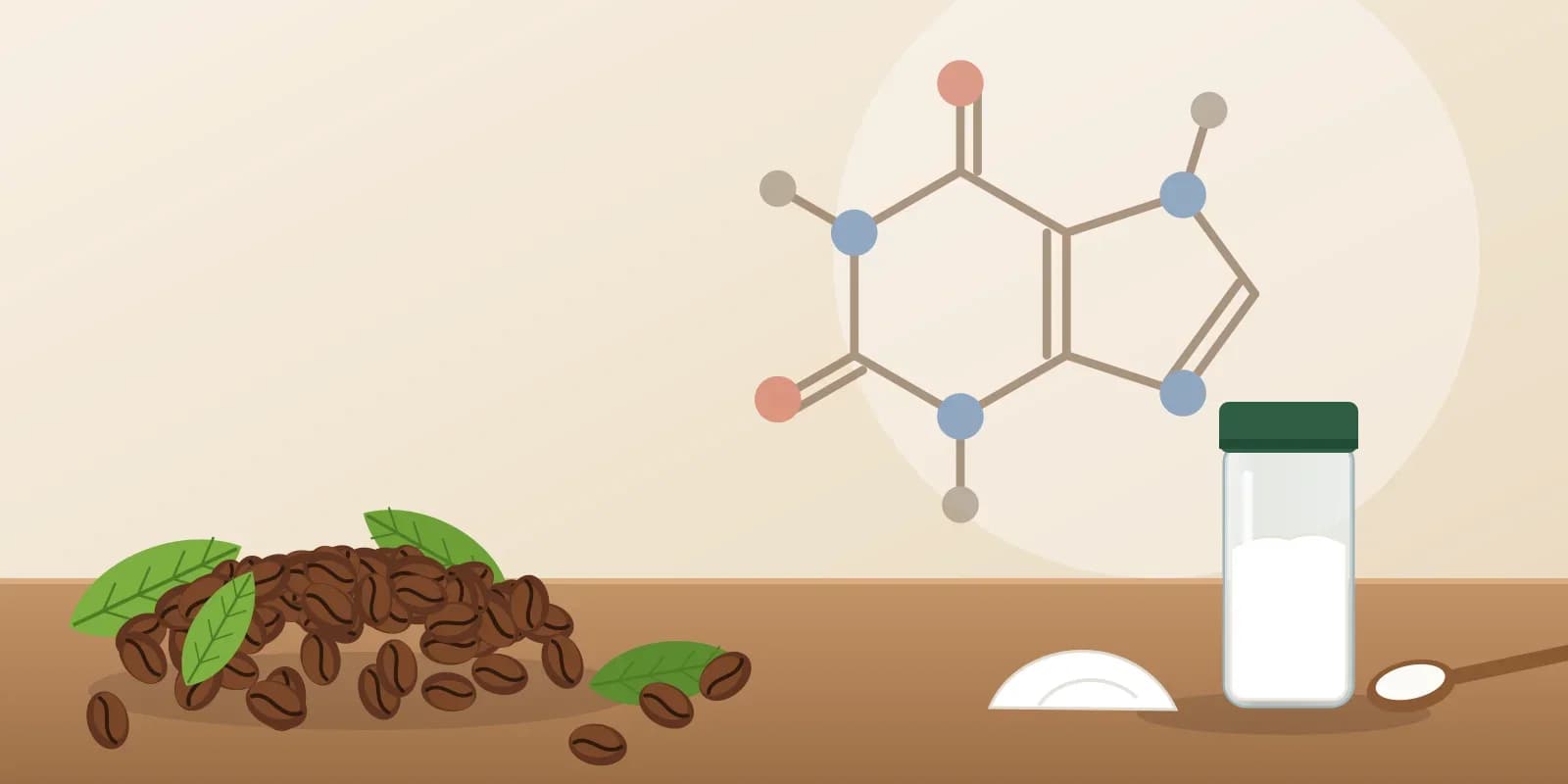
Caffeine is a naturally occurring alkaloid found in coffee beans and tea leaves. Chemically known as 1,3,7-trimethylxanthine (C₈H₁₀N₄O₂), it is widely used in food, beverages, and nutraceuticals. Commercial caffeine can be recovered from botanical materials and purified to meet the required specifications.
What Does Natural 99% Pure Caffeine Mean?
A specification of Natural 99% purity indicates the stated caffeine content based on the applicable analytical method and reporting basis. Higher caffeine concentration means a smaller quantity can deliver a given amount of caffeine, supporting accurate formulation.
However, purity alone does not determine overall product quality or origin. A batch-specific Certificate of Analysis (COA) helps verify whether the product meets the agreed specifications.
What Is C14 Testing?
Carbon-14 (C14) testing helps distinguish caffeine derived from contemporary biological sources, such as coffee and tea, from fossil-based sources. It provides additional evidence to verify claims of natural origin.
While purity testing measures caffeine concentration, C14 analysis helps assess its carbon origin. Both provide different types of information about the ingredient.
What Is a Caffeine Assay?
An assay measures the concentration of caffeine in a sample to determine whether it meets the declared specification. High-Performance Liquid Chromatography (HPLC) is a commonly used analytical method for measuring caffeine content.
Key Quality Parameters to Check
Before purchasing caffeine in bulk, buyers should evaluate:
- Assay and purity: Verify caffeine content and the applicable acceptance range.
- Impurity profile: Check moisture, residual solvents, and relevant contaminants according to the intended application.
- Certificate of Analysis (COA): Review batch-specific test results and analytical methods.
- C14 testing: Verify claims regarding natural origin when required.
Why Does Purity Matter?
Caffeine purity supports accurate formulation, ingredient standardisation, and manufacturing consistency. However, 99% purity alone does not guarantee suitability for every application. Food, beverage, and nutraceutical manufacturers should confirm the appropriate grade, quality documentation, and regulatory requirements before procurement.
Looking for Natural 99% Pure Caffeine?
Contact AgroHaat to discuss caffeine specifications, quality documentation, and bulk sourcing requirements.
Get in Touch