


Crop Insights
Indian Coriander Crop: Growing Regions, Harvest Season & Export Outlook
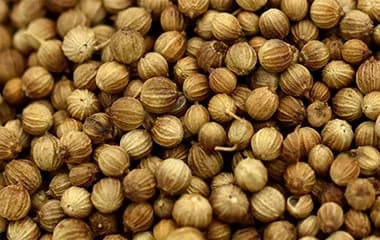
India is one of the world’s largest producers and exporters of coriander seed (dhania), supplying spice blenders, food manufacturers, and essential-oil processors globally. Coriander is graded largely on seed size and colour, both of which are shaped by where and how the crop is grown.
Where India’s Coriander Is Grown
Coriander cultivation is concentrated in a few states that together account for the bulk of India’s production:
- Rajasthan — one of India’s largest coriander-growing states, particularly around Kota and Baran.
- Madhya Pradesh — a major producing state, particularly the Guna and Mandsaur belts, known for bold-seeded lots.
- Gujarat — a significant growing and trading region for coriander, alongside cumin.
Harvest Season and Availability
Coriander is a rabi (winter) crop in most of these regions, sown around October–November and harvested in February–March. Fresh crop becomes available for cleaning, grading, and export shortly after harvest, and buyers working to an annual procurement calendar typically plan purchases around this window to access the season’s best bold-seed lots before they are absorbed by domestic demand.
What Drives Quality and Price Each Season
- Seed size — larger, bolder seeds (the basis for the Parrot grades) command a premium and are more limited in supply than standard grades in any given season.
- Weather at maturity — unseasonal rain near harvest can affect seed colour and volatile oil retention.
- Domestic spice-blend demand — coriander is a base ingredient in most Indian spice blends, so strong domestic demand in a season can tighten exportable surplus of premium grades.
- Volatile oil content — a key quality marker for buyers using coriander for oil extraction or high-aroma applications.
Sourcing Considerations for Export Buyers
Because coriander grades are defined mainly by seed size and colour rather than a single chemical specification, the right starting point for sourcing is usually the intended use — whole-seed retail packing generally favours the bolder Parrot grades, while general spice-blend and powder use works well with the more widely available Eagle, Badami, or Scooter grades. AgroHaat supplies all of these grades in whole and powder form.
For a closer look at how these grades compare, see our companion guide to Indian coriander seed grades for export.
Looking to Source Coriander for the Current Season?
Share your target seed size, colour, and volatile oil requirement and our team will get back with availability and pricing.
Get in Touch